

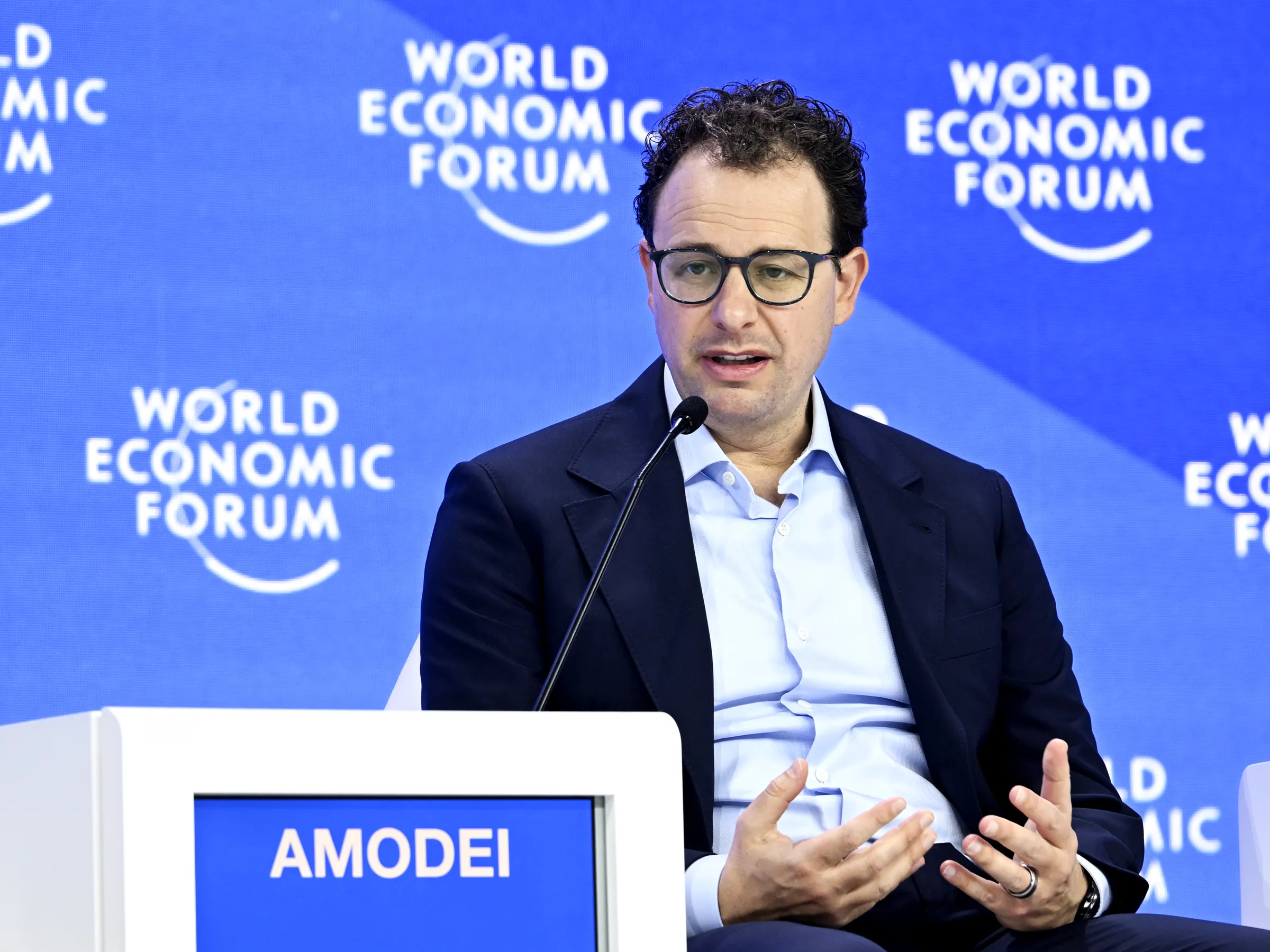
Anthropic CEO Dario Amodei has firmly dismissed allegations that his public warnings about artificial intelligence have fueled negative sentiment toward the industry or hindered technological expansion.
The response follows criticism from prominent investor Gavin Baker, who argued on X and the All-In podcast that executive-led warnings about AI risks have triggered public pushback in the U.S., including growing resistance to data center construction. Baker contended that Amodei’s approach to AI policy—including Anthropic’s backing of California transparency legislation—has been overly cautious, urging the CEO to serve as a more constructive advocate for the sector.
Responding to the critique, Amodei denied that his messaging skews excessively negative, emphasizing that his public commentary balances potential hazards with transformative opportunities. He highlighted his essay, “Machines of Loving Grace,” as a direct effort to articulate how AI could fundamentally improve society, noting that industry narratives often fail to inspire the public.
While acknowledging widespread public skepticism toward AI, Amodei rejected the premise that warnings from industry leaders are the primary cause. Instead, he attributed the friction to a long-standing erosion of public trust in corporate and governmental institutions.
According to Amodei, the central challenge facing AI developers is a performance gap rather than a PR problem. He stated that tech firms have yet to fully deliver on the high-value benefits promised to everyday consumers, adding that fulfilling these commitments remains the most direct way to build public confidence.
Addressing regulatory debates, Amodei pushed back against the view that oversight inevitably leads to regulatory capture or market consolidation. He argued that sensible guardrails serve to protect the public and balance corporate power, rejecting the notion that regulation and broad technological access are mutually exclusive.
Leave a Reply