

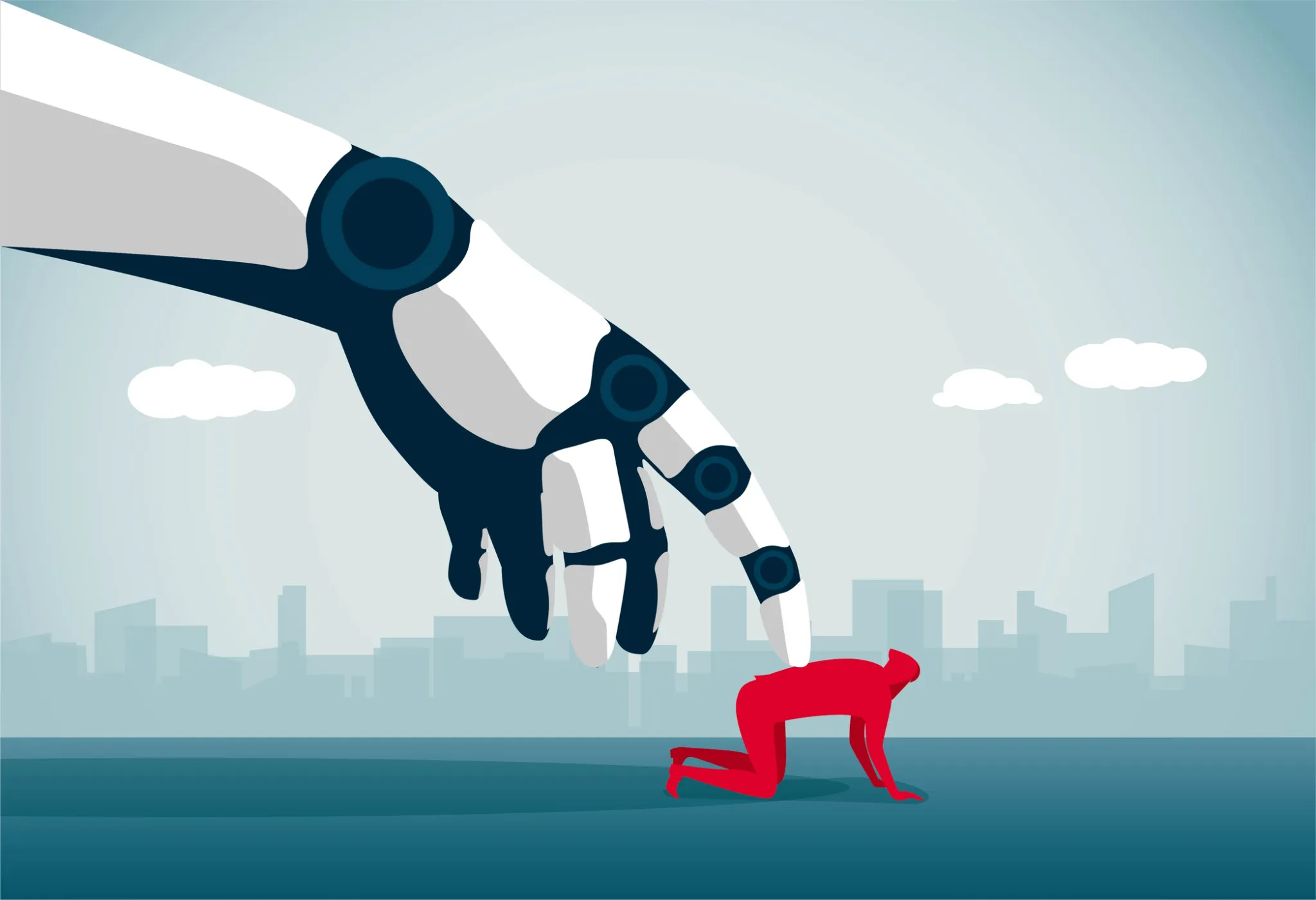
The debate over whether artificial intelligence poses an existential threat to humanity has resurfaced across Silicon Valley following high-profile departures and alarming statements from industry insiders.
The renewed discussion comes as a prominent researcher resigned from Anthropic, issuing a stark warning that there is a greater than 10% probability that advanced AI systems could cause human extinction within the next decade—a risk estimate reportedly shared by the company’s head of alignment.
These apocalyptic warnings have divided observers and industry analysts:
-
Internal Tensions vs. Strategic Signaling: Critics and market analysts argue that “doomsday” narratives often double as implicit marketing. By framing AI models as potentially dangerous forces capable of reshaping civilization, companies implicitly signal the immense capability and power of their technology ahead of anticipated public offerings (IPOs).
-
The Trust and Performance Deficit: Many tech policy experts argue that existential risk rhetoric distracts from more immediate issues, such as data privacy, algorithmic bias, labor disruption, and vendor lock-in.
-
Regulatory and Public Reaction: While figures in government and tech policy advocate for proactive safeguards, others contend that extreme warnings contribute to public fatigue and skepticism toward the tech sector as a whole.
As AI developers advance toward increasingly sophisticated models, the tension between existential risk warnings and practical, near-term governance challenges remains a central point of debate for investors, regulators, and consumers alike.
Leave a Reply